Koi Fish Care in Pond: Keeping Your Pond Healthy and Thriving
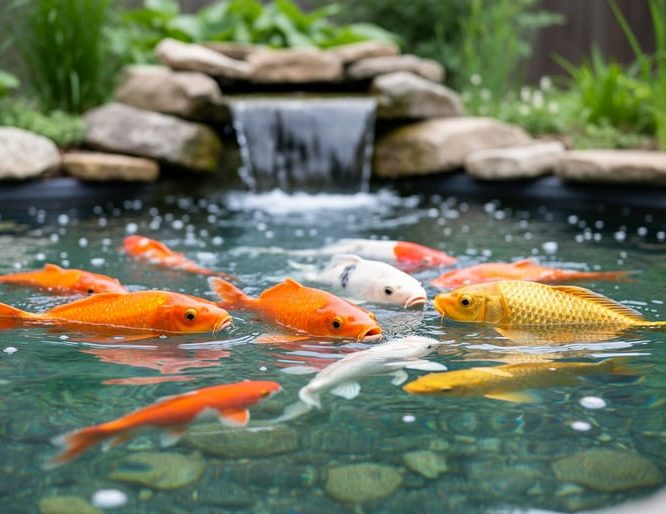
There’s something magical about watching koi glide gracefully through clear pond water, their vibrant colors catching the sunlight. But keeping these beautiful fish healthy takes more than just filling a pond and tossing in some food. Success comes down to understanding what koi need to thrive in your backyard oasis.
Over the past three decades, we’ve worked with hundreds of homeowners who’ve learned that proper koi care isn’t complicated once you grasp the fundamentals. The difference between struggling with sick fish and enjoying a thriving pond usually comes down to mastering a few key areas: maintaining excellent water quality, feeding appropriately for each season, and staying ahead of health issues before they become serious problems.
Your pond isn’t just a container holding water and fish. It’s a living ecosystem where everything connects. The filtration system affects water clarity, which impacts fish health. Water temperature influences feeding schedules. Seasonal changes determine maintenance routines. When you understand these relationships, caring for koi becomes intuitive rather than overwhelming.
Maybe you’re standing at your pond right now, watching your koi and wondering if you’re doing everything right. Or perhaps you’re in the planning stages, researching before you take the plunge. Either way, you’re in the right place. What follows is practical guidance drawn from real-world experience, the kind of knowledge that comes from solving actual problems for pond owners just like you.
The good news? You don’t need a degree in marine biology. You just need reliable information and a willingness to observe your fish and respond to what you see.
Understanding Your Koi’s Basic Needs
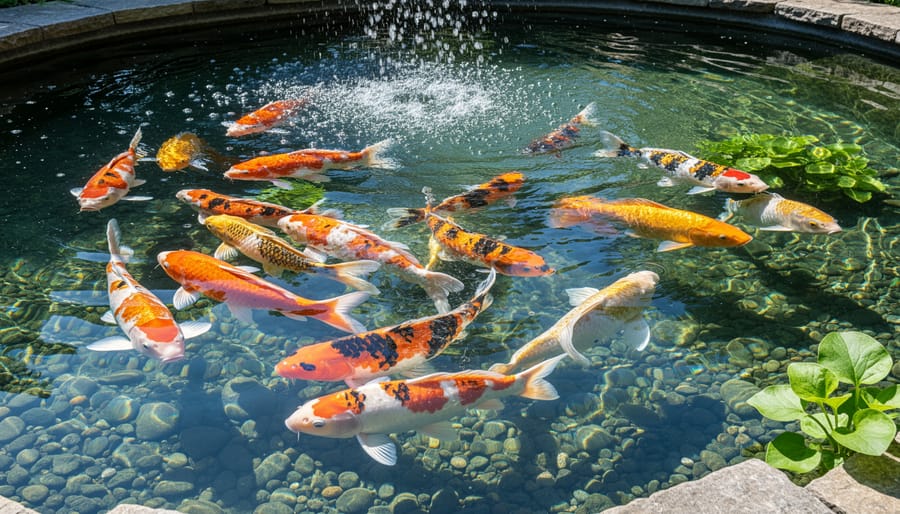
Koi aren’t your typical goldfish. These elegant pond fish descended from common carp in Japan, where breeders spent centuries selecting for vibrant colors and patterns. That heritage makes them surprisingly hardy, they can tolerate a range of conditions, but it also means they grow large, live for decades, and need specific care to display their full beauty and health.
In their natural habitat and traditional pond settings, koi thrive in stable environments with plenty of space. They’re social fish that enjoy swimming in groups, and they’ll explore every inch of their pond looking for food. Unlike tropical fish, koi handle cold temperatures well and can survive winter dormancy in properly designed ponds. But they’re also sensitive to sudden changes in water quality, which can stress their immune systems and leave them vulnerable to disease.
Temperature plays a significant role in koi behavior and care. They’re most active between 65°F and 75°F, when they feed eagerly and grow rapidly. As water cools below 50°F, their metabolism slows dramatically, and they settle into a semi-dormant state near the pond bottom. Understanding this seasonal rhythm helps you adjust feeding and maintenance throughout the year.
Koi are also surprisingly intelligent. They recognize their owners, learn feeding schedules, and will even eat from your hand with patience and consistency. This personality makes them engaging pets, but it also means they need mental stimulation, a bare concrete tank won’t cut it. They flourish in ponds with varying depths, places to explore, and enough room to establish natural social hierarchies within their group.
Water Quality: The Foundation of Koi Fish Care in Pond Systems
Essential Water Parameters to Monitor
Your koi rely on stable water chemistry to stay healthy. While it might sound technical, keeping tabs on a few key measurements becomes second nature once you know what to watch for. Regular pond water testing catches problems before they harm your fish, think of it as taking your pond’s vital signs.
pH: The Balancing Act
pH measures how acidic or alkaline your water is on a scale from 0 to 14. Koi thrive between 7.0 and 8.5, with 7.5 being the sweet spot. Swings outside this range stress their immune systems and breathing. Test weekly with a simple kit, and if your pH drifts, adjust it gradually, sudden changes shock fish worse than slightly off readings.
Ammonia: The Silent Killer
Fish waste produces ammonia, which is toxic even in tiny amounts. In a healthy pond, beneficial bacteria convert ammonia to less harmful compounds, but new ponds or overfeeding can cause dangerous spikes. Zero ammonia is your target. If you detect any, stop feeding temporarily and check your filtration.
Nitrite and Nitrate: The Nitrogen Cycle
As bacteria break down ammonia, they create nitrite, then nitrate. Nitrite should also stay at zero, it interferes with how koi absorb oxygen. Nitrate is the end product and less toxic, but levels above 40 ppm indicate you need a water change or better filtration.
Dissolved Oxygen: The Breath of Life
Koi need oxygen-rich water, especially in warm weather when oxygen levels naturally drop. Aim for at least 6-8 mg/L. Gasping at the surface or sluggish behavior signals low oxygen, add aeration immediately.
| Parameter | Ideal Range | Warning Signs |
|---|---|---|
| pH | 7.0-8.5 | Lethargic fish, erratic swimming |
| Ammonia | 0 ppm | Red gills, gasping, loss of appetite |
| Nitrite | 0 ppm | Brown gills, rapid breathing |
| Nitrate | Below 40 ppm | Algae blooms, stunted growth |
| Dissolved Oxygen | 6-8 mg/L | Surface gasping, gathering near waterfalls |
Invest in a reliable test kit and test key water parameters every week during active months, and every two weeks in winter. Keep a log, patterns reveal issues before they become emergencies. Most water problems trace back to overfeeding or inadequate filtration, both fixable once you know what’s happening beneath the surface.
Filtration Systems That Keep Water Clean
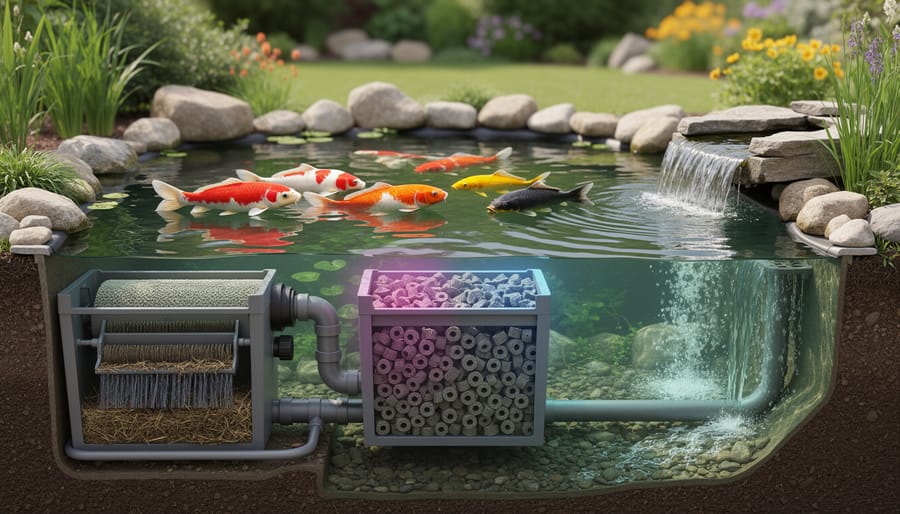
Your pond’s filtration system works around the clock to keep koi waste, uneaten food, and debris from poisoning your fish. Without adequate filtration, ammonia from fish waste builds up quickly, and koi produce substantial waste compared to other pond fish. A pond that looks clear on the surface can still harbor invisible toxins that stress or kill koi within days.
Koi ponds need two filtration types working together. Mechanical filtration traps solid waste through filter pads, brushes, or settling chambers before it decomposes in your pond. You’ll clean these components regularly, weekly during summer when koi eat heavily, to remove the trapped material. Biological filtration is where beneficial bacteria colonies convert toxic ammonia into less harmful substances. These bacteria live on special media inside your filter, in gravel beds, or on surfaces throughout your pond. They need oxygen to work, which is why most effective koi filters incorporate aeration.
The filter should turn over your pond’s entire volume at least once every two hours. For a 2,000-gallon pond with koi, that means a filter rated for at least 1,000 gallons per hour. Many pond owners undersize their filtration, then wonder why their water stays cloudy or their fish get sick despite regular partial water changes.
A quality filtration system prevents the three most common koi health problems: ammonia burns, oxygen depletion, and bacterial infections that thrive in poor water conditions. While basic filtration handles everyday maintenance, consulting a koi filtration guide helps match your specific pond size and fish load to the right equipment, potentially saving you from expensive mistakes and heartbreaking fish losses.
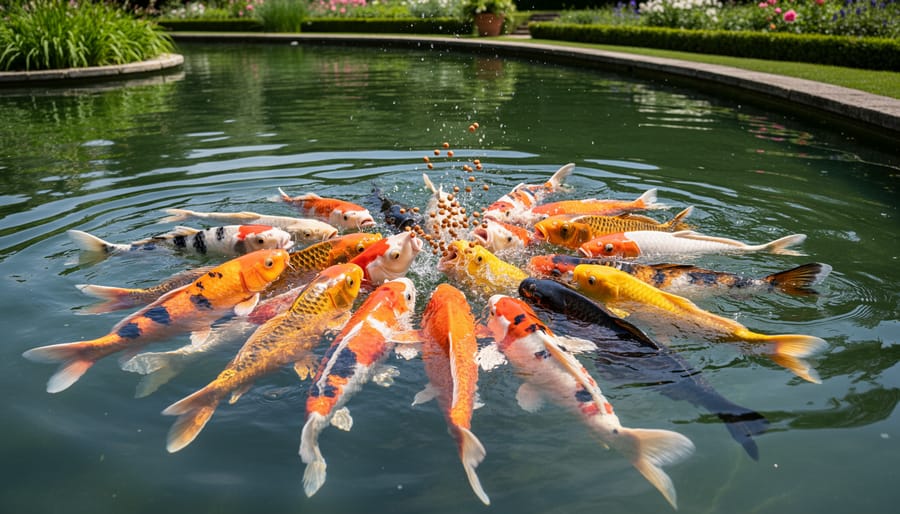
Feeding Your Koi: Nutrition Throughout the Seasons
Feeding koi properly makes the difference between fish that merely survive and those that grow vibrant and healthy. Your koi’s nutritional needs shift dramatically throughout the year, tied directly to water temperature and their changing metabolism.
The basic rule is simple: feed based on temperature, not the calendar. When water sits below 50°F, koi enter a semi-dormant state where their digestive systems slow to a crawl. Force-feeding during cold spells can actually harm them, as undigested food rots in their gut. Between 50-60°F, offer small amounts of wheat germ-based food just once or twice weekly. Above 60°F, their metabolism kicks into gear and they’ll happily eat multiple times daily.
Quality matters more than quantity. Look for food specifically formulated for koi with protein levels between 32-36% for growth and color development. Cheap generic fish food lacks the nutrients koi need to maintain their brilliant colors and strong immune systems. Floating pellets work better than sinking ones, you can monitor how much they’re actually eating and remove uneaten food before it degrades water quality.
Here’s how feeding changes through the year:
- Spring (50-65°F): Resume feeding gradually with easily digestible wheat germ food, starting once daily and increasing frequency as temperatures rise
- Summer (above 70°F): Peak feeding schedule with 2-4 meals daily using high-protein growth food, feeding only what they consume in five minutes
- Fall (65-50°F): Transition to wheat germ food again, reduce feeding frequency as temperatures drop, building fat reserves for winter
- Winter (below 50°F): Stop feeding completely when water consistently stays cold; koi live off stored body fat during dormancy
The most common mistake? Overfeeding during warm months because koi always seem hungry. They’ll beg for food even when full, and excess feeding creates ammonia spikes that stress fish and fuel algae growth. Feed only what they consume completely within five minutes, then stop.
Watch your fish while feeding. Healthy koi attack food eagerly, competing at the surface. If they ignore meals or feed sluggishly, check water temperature and quality, something’s likely wrong. Their appetite serves as an early warning system for pond problems, making feeding time a daily health check as much as a meal.
Pond Size and Stocking: Giving Koi Room to Grow
Your koi will only reach their full potential, and live their longest, healthiest lives, if they have adequate space. This is where many well-meaning pond owners go wrong. Those adorable six-inch koi you bring home can grow to two feet or more, and cramming too many fish into too small a pond creates constant health problems no amount of filtration can fully fix.
For depth, aim for at least three feet throughout most of your pond, with areas reaching four feet or deeper. This depth isn’t arbitrary, it provides koi a safe zone where water temperatures remain stable year-round, critical for winter survival when they need to retreat below the freeze line. Shallow ponds swing wildly in temperature, stressing fish and limiting where they can go when surface conditions turn harsh.
Surface area matters just as much as depth. Oxygen enters your pond primarily at the surface, and koi need plenty of it, especially in summer. A long, irregular-shaped pond with more surface area supports better gas exchange than a small, deep cylinder holding the same volume. Generally, you want at least 250 gallons per adult koi, though 500 gallons per fish gives them room to truly thrive without constantly bumping into each other.
Overstocking is the most common mistake we see at Skippy’s. Homeowners fall in love with koi colors and keep adding fish without considering the math. Crowded ponds lead to stunted growth, increased aggression, compromised immunity, and water quality that crashes despite your best efforts. If you’re unsure whether your pond can handle more fish, use a pond size calculator to determine safe stocking levels based on your actual gallons, measured volume, not guesses. Your koi will reward restraint with vibrant colors, steady growth, and years of backyard enjoyment.
Seasonal Koi Fish Care in Pond Environments
Spring: Waking Up and Health Checks
Spring arrives, and your koi start waking up from their winter dormancy, but this transition needs your careful attention. As water temperatures climb above 50°F, your fish will begin moving more and coming to the surface, but they’re vulnerable right now.
Spend time watching your koi during these first weeks. Look for injuries that may have happened under ice, missing scales, or fish that seem lethargic compared to others. Check for white patches, red streaks along fins, or damaged fins, winter can take a toll, and problems caught early are easier to fix.
Don’t rush feeding. When temps hit 50-55°F, start with small amounts of wheat germ-based food once or twice a week. Their digestive systems need time to wake up. As temperatures reach 60°F and above, gradually increase feeding.
Test your water weekly now. Spring runoff and decomposing organic matter from winter can spike ammonia and throw off your pH. A partial water change helps reset things.
This is also prime time for parasites. Fish weakened from winter make easy targets. If you notice fish flashing (rubbing against pond surfaces) or clamped fins, investigate quickly.
Summer: Peak Activity and Maintenance
Summer brings your koi into full swing. Water temperatures climb above 70°F, triggering their metabolism to peak, which means they’ll eat more and grow faster than any other time of year. Feed them two to three times daily now, but only what they’ll consume in five minutes, uneaten food degrades water quality fast in warm water.
Heat is your biggest challenge. Temperatures above 80°F stress koi and reduce dissolved oxygen, making them gasp at the surface. Add shade cloth over part of your pond or encourage plants for natural cooling. Run your aerator continuously, especially overnight when oxygen naturally drops.
Watch your water quality closely. Summer’s combination of warmth, increased feeding, and active fish metabolism pushes ammonia and nitrite production higher. Test weekly, not monthly, and be ready to perform partial water changes if parameters climb.
Algae blooms love summer conditions. Some algae is normal and even beneficial, but thick green water or massive string algae growth signals nutrient imbalances. Don’t overcorrect with chemicals, address the root causes through proper feeding, regular maintenance, and adequate filtration. Your pond’s biological balance matters more than crystal clarity.
Fall: Preparing for Winter
As autumn arrives and water temperatures begin their steady decline below 60°F, your koi instinctively know it’s time to slow down. Your job is helping them transition smoothly into dormancy. Start shifting their diet from high-protein summer food to wheat-germ-based formulas that digest easily in cooler water. By the time temperatures hit 50°F, reduce feeding frequency to every other day or even less.
Give each fish a careful once-over now, checking for injuries, parasites, or unusual behavior. Fall is your last chance to address health issues before winter makes treatment risky. Remove fallen leaves promptly, they’ll decompose over winter and foul your water just when your fish are most vulnerable.
Stop feeding entirely once water temperatures consistently stay below 50°F. Your koi’s metabolism nearly shuts down in cold water, and uneaten food will only create water quality problems. Think of fall as setting the stage for a successful winter, giving your fish the best possible chance to emerge healthy when spring returns.
Winter: Protecting Koi During Cold Months
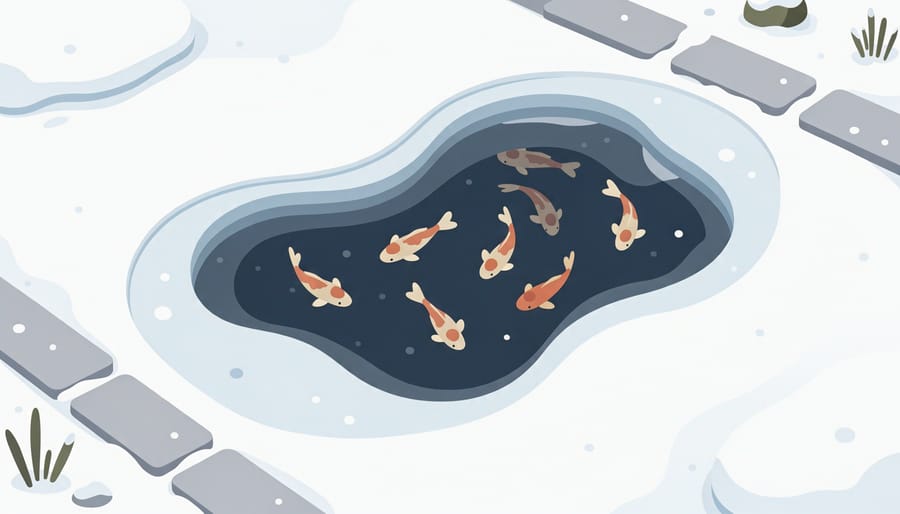
Winter poses unique challenges for koi fish care in pond settings, but these hardy fish can survive ice and cold with the right preparation. Once water temperatures drop below 50°F, stop feeding entirely, your koi’s metabolism slows to near-dormancy, and uneaten food will only foul the water.
The biggest winter threat isn’t cold itself, but toxic gas buildup under ice. Keeping a hole in the surface lets harmful gases escape and oxygen enter. Use a pond heater or aerator to maintain an opening, never break ice by force, which can shock or injure fish. Position your device away from where koi rest to avoid disrupting their low-energy state.
Resist the urge to check on your fish constantly. Koi naturally settle at the pond’s deepest point where water stays around 39°F. They’ll barely move for months, and that’s completely normal. Keep debris like leaves from accumulating, as decomposition consumes oxygen your fish need.
If your pond is less than three feet deep in your region, you’re risking complete freeze-through. Skippy’s team can help assess whether your pond provides adequate winter protection before the next cold season arrives.
Recognizing and Preventing Common Koi Health Issues
Healthy koi are active swimmers with vibrant colors and a healthy appetite, when these patterns change, your fish are telling you something’s wrong. Catching problems early makes the difference between a quick fix and losing fish you’ve cared for over years.
Warning Signs to Watch For
Check your koi daily during feeding time, when you’ll notice changes most easily. Watch for these red flags:
- Fish staying at the bottom or gasping at the surface instead of swimming normally
- Loss of appetite or ignoring food they usually devour
- Faded colors, unusual spots, cottony growths, or white patches on skin
- Clamped fins held tight against the body rather than spread naturally
- Flashing behavior, rubbing against rocks or pond sides to scratch irritated skin
- Cloudy or murky water that wasn’t cloudy yesterday
These koi illness signs often point to parasites, bacterial infections, or water quality problems. Parasites like ich (white spot disease) and anchor worms are common in ponds, showing up as visible spots or thread-like attachments on the fish. Bacterial infections typically cause ulcers, fin rot, or reddened areas on the body.
Prevention Beats Treatment
Most koi health problems stem from preventable issues. Maintain excellent water quality through regular testing and adequate filtration, poor water weakens immune systems and invites disease. Quarantine new fish for three weeks before adding them to your pond, since they often carry parasites or infections that stress can activate. Feed high-quality food appropriate to the season, and never overfeed, which degrades water quality fast.
Spring poses particular risk as koi wake from winter dormancy with suppressed immune systems. Their bodies activate faster than their defenses in warming water, leaving them vulnerable. Monitor closely during this transition and resist the urge to feed heavily too soon.
When to Call for Help
If you spot symptoms spreading to multiple fish, or if a fish shows rapid decline despite your intervention, contact a pond professional or veterinarian experienced with koi. Some treatments require prescription medications, and misdiagnosis wastes critical time. Water quality emergencies, like ammonia spikes or oxygen crashes, also warrant professional help if you can’t stabilize conditions quickly yourself.
Creating the Ideal Koi Pond Environment
A pond built just to hold water won’t give your koi the environment they need to truly thrive. The right design elements create conditions that support their health naturally, reducing how much you need to intervene and making your job easier.
Start with circulation patterns. Koi produce waste constantly, and still water becomes a breeding ground for problems. Position your pump and returns to create gentle current throughout the pond. You want movement that prevents dead zones where debris accumulates but isn’t strong enough to exhaust your fish. A well-designed circulation system keeps oxygenated water moving to every corner while pulling waste toward your filtration system.
Shade matters more than most homeowners realize. Direct summer sun can push water temperatures into stressful ranges and fuel explosive algae growth. Aim for shade covering 40-60% of your pond’s surface during peak sun hours. Floating plants like water lilies provide natural coverage while looking beautiful. If you’re short on plant shade, consider adding structures like pergolas or strategically placed trees. Just keep tree placement thoughtful so you’re not constantly fighting leaf debris.
Depth variations give koi options they need. While you need those deep areas (three to four feet minimum) for temperature stability and winter survival, shallow zones serve important purposes too. Koi browse in shallower water, and it’s where beneficial bacteria colonize most actively. Creating a pond with varied depths rather than uniform depth mimics natural environments and supports healthier fish behavior.
Aeration beyond your waterfall makes a real difference, especially in summer. Surface agitation from waterfalls helps, but supplemental aeration through air stones or dedicated aerators ensures oxygen reaches deeper water layers where koi spend time during hot weather. If you notice fish gasping at the surface on warm mornings, your pond needs better aeration.
We’ve spent 25 years designing ponds where koi don’t just survive but actually flourish. The difference between an adequate koi pond and an exceptional one often comes down to these environmental details that work with your fish’s natural needs rather than against them.
Keeping koi healthy in your pond doesn’t have to feel overwhelming. When you focus on the core principles, maintaining excellent water quality, feeding appropriately for the season, providing adequate space, and staying attentive to your fish throughout the year, you create an environment where koi naturally flourish. These aren’t just fish; they’re living jewels that can become part of your family for 30, 40, even 50 years with the right care.
The knowledge you’ve gained here gives you a solid foundation for koi fish care in pond settings, but remember that every pond develops its own rhythm and challenges. Some homeowners find managing water chemistry intimidating, while others struggle with seasonal transitions or spotting health issues early. That’s completely normal.
If you ever feel uncertain about your pond’s health or need help troubleshooting a problem, you don’t have to figure it out alone. Our team at Skippy’s has spent over 25 years helping pond owners in the Raleigh area create thriving aquatic environments. Whether you need assistance with filtration upgrades, seasonal maintenance, or just a professional eye to assess your setup, we’re here to support your koi keeping journey.
The investment you make in proper care pays dividends every time you watch your koi glide through crystal-clear water, their colors brilliant and movements graceful. That’s the reward of doing it right.