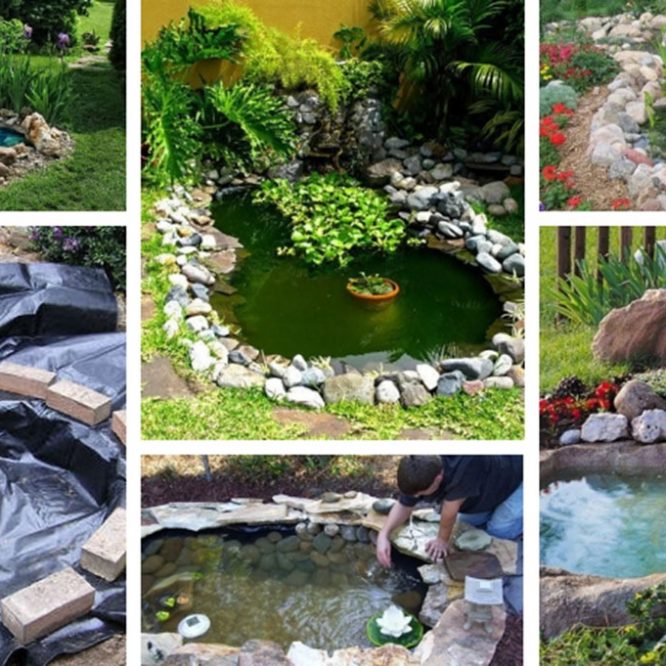

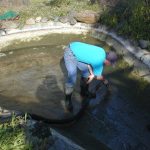

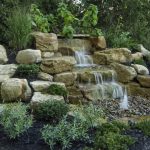


You could dig a hole that is too big for your liner, which is a waste of hole digging energy, so do not buy the liner until you are sure of the right size to get. Which brings us back to planning. Keep in mind in the planning stage to account for any underwater features you want in your pond. Shelves for plants, deep holes for wintering, slopes, etc. We are about to talk about liner size vs. hole size, but we also do not want to get real complicated here, so we are going to try and make this as simple as possible. Keep in mind a couple of things we have learned from experience:
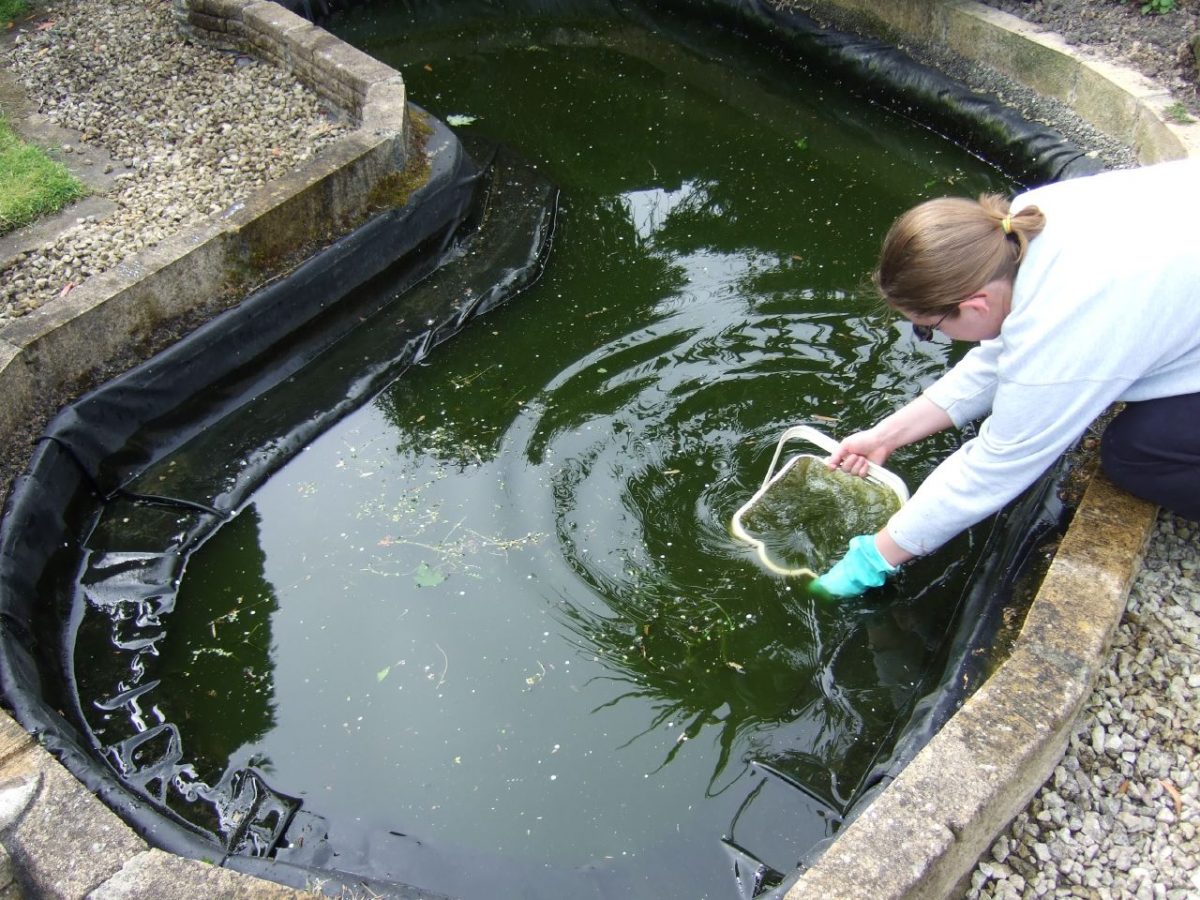
In order for a liner to fit properly in the hole, then the liner must be bigger than the hole. The liner must run from past the outside lip of the hole, down the side wall of the hole, across the bottom of the hole laying flat to the deepest part of the hole, up the other side wall of the hole, and over the lip of the other side of the hole. Oh yes, in both directions... length and width. That should be common sense, but sadly some of us did not understand that. Not to mention names, but it was us. (Another dumb mistake, one that now you do not have to make, no need to thank us it is our job.) The formula for all this is: Length + twice the depth for one side of the liner and width + twice the depth for the other side of the liner. Example if your pond (the hole) is 6 feet long and 6 feet wide and 2 feet deep you will need a liner that is 10 X 10. 6 feet to run across the bottom, plus 2 feet to come up one side, plus two feet to come up the other side...6 + 2 +2 = 10.
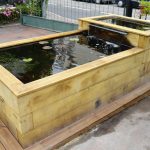
If you frame in your pond with 2"x6" boards stood on end about 12 inches back from the lip and secured into the ground with 1/2 inch conduit pipes driven into the ground behind the boards, this makes a nice barrier where you can bring the liner up and over the boards where it can be secured by screwing a few slats of wood to the outside of the boards wedging the liner in-between. Also, a couple of other benefits of this design is that you create a under water shelf where you can put bog plants etc. and since the water when full, is actually higher than the surrounding ground by 4 to 6 inches it softens the sides of your pond and looks more natural. If you have a problem following this concept, Go back to Skippy's Home Page, scroll down until you see 3 blue rectangles that say, "Skippy's Basic Pond Book" and click on any one of them.
Whether you have an established pond or are just thinking about putting your first one in, check out our FREE ADVICE PAGE and then we invite you to call our Help Line:
![]() |
![]() |
![]() |
........... ..............COME BACK SOON |