

Additives for Your New Pond:
Walk into any store that carries pond supplies and you will see a shelf
full of brightly colored bottles of stuff that you can add to your pond
which are advertised as solving each and every problem that might crop
up. We are glad we did not see this array of stuff before we built our
first pond for we might of gotten the impression that this pond keeping
is just to complicated and quit before we started. Which is going to be
our point about additives.
SKIPPY SEZ:
DO NOT GET NUTS!
Yes, there are solutions in a bottle for problems that may occur when
maintaining
a pond, but also a lot of additives are overused and/or simply not
needed.
Example: One of the products available on the market under a variety of
names is an "algae clumper" or water clarifier. Note: If you
build a pond sooner or later you are going to know about algae which is
also discussed under the heading of Life. Right now we are just trying
to stress a point. This product claims to clear up cloudy water or
green
water by making the suspended algae in the pond come together forming a
mass which is heavier than normal and therefore the "clumped"
algae sinks to the bottom clearing the water. We got no problem with
that.
BUT, why do you have to add this product every week or so as the
packaging
recommends? Well, what happens when you use this product is to treat
the
symptom not the problem. The problem in this case is an over abundance
of algae. The clumper i.e. clarifier additive clears the water, but the
cause of the over abundance of algae is still there. As a matter of
fact
if you keep using this product you set up a cycle that actually
promotes
algae growth. By taking out the old algae you create a perfect
environment
for new algae to grow. There is nothing wrong with these types of
additives
and in fact we sell them, we just recommend that you use them
sparingly.
They can be helpful in the quest to cure the actual problem. In this
example,
what one might consider, is to go ahead and clear the pond, but also
re-establish
a beneficial bacteria colony which is large enough to eat the algae or
else add a few more aquatic plants to starve out the algae. See the
heading
Life. We do not want to go into long scientific explanations here in
our
discussion of additives as to what might help in each and every case,
our
point is here is do not over use any additive.
What might be helpful in our discussion of additives is to
take a step
by step approach from the set up of a pond by filling it with water to
it becoming established and explain where and when you might think
about
using an additive.
Take our word for it, one of the things you will want to do to have
life
in your pond is to establish a beneficial bacteria colony. This is were
life starts in the pond, now Mom is very helpful in this area, she is
working
on establishing bacteria to the pond even before the water is shut off,
but man has a problem with bacteria so he has put additives in that tap
water that kills bacteria, chlorine is the most common. Now, and again
you are going to have to take our word for it or do some research on
your
own, Click
here to send me E-Mail (requesting a more detailed
explanation of bacteria) but there are harmful
bacteria and beneficial bacteria. In a pond we want beneficial
bacteria,
the type that feeds on algae and to some extent feeds the fish.
Chlorine
kills bacteria, (bleach is chlorine) chlorine kills both types of
bacteria,
beneficial and harmful. Also chlorine in high concentrations is very
harmful
to fish. So one of the first things you will want to do is to rid the
water
of the chlorine that was added by the water treatment plant or you
could
harm your fish or other life forms (beneficial bacteria). Many pond
people
will recommend that one way to rid the pond of chlorine is to do
nothing,
just wait, because chlorine will dissipate over time. Which is true,
but
how long do you want to wait and when will you be sure the chlorine is
gone? And that brings us to chloramine. Chloramine is a chlorine and
ammonia
compound that is sometimes added to tap water because of the fact that
it does not dissipate as fast as just chlorine, therefore it's bacteria
killing properties lasts longer.
Ammonia is a fish killer. So in order for us to establish the pond and
help Mom on her quest of adding life to that pond we start with our
first
additive: A chlorine, chloramine and ammonia remover. All of these
additives are available at Stuff We
Sell at Skippys. Just a side note
here, the water level in your pond over time will go down, due to
evaporation
and wind action. Remember when you add tap water you are again adding
chlorine,
etc.. So you should also add the remover, every time you add water. In
order to do this properly you will need to know how much water you are
adding.
SKIPPY
SEZ: Knowing the full gallon capacity of your pond as
discussed
above is important when adding additives at the beginning. When your
pond
is low we feel it is best to add the remover to the water before it is
introduced to the operating pond. One way is to add the remover to a 5
gal bucket and then pour that into the pond. A less effective way is to
add the remover to the stream of water coming from the hose. In either
case it is a good idea to know the amount of water you are adding so
you
can add the proper dose of remover. A hose gauge or by counting the
5gal
buckets as an example. Once you have removed the chlorine you basically
have just water. That is water with nothing in it...no chlorine and no
bacteria.
The bacteria was removed before
it
ever got to your pond by the chlorine you just removed. Now
you got to put the bacteria back in. Mom will do it, but Mom does not
discriminate
and she is a little slow at times. She will put in what ever bacteria
comes
along, both beneficial and harmful. What we want is the beneficial
stuff.
The best way to do that is to add it right from the start by spiking
the
pond water and the filter. So, the second additive you use is a bottle
that contains beneficial bacteria. If you get this bacteria colony
going
and growing early it goes along way to preventing problems later on,
like
green water.
Now what.....? That's it, enjoy your pond.
Now was that so hard?
YES, what we are saying is this... the two additives
that you really
need is just chlorine remover and beneficial bacteria.
Anything you add after this point should be used just to re-establish
this point in your
ponds operation. If you think that is an unreasonable statement then
think
about this... Right now if you were to put a healthy fish in the pond
it
should live.
Right? If you look at your pond you should be able to see clear to the
bottom. Right? What more do you want? Well, of course other things are
starting to grow, like algae, but the best way to handle algae growth
is
not with a algaecide (like bleach) or even a clumper, what you will
want
to do now is to establish a eco-system that contains other natural
forms
of life which work hand in hand to balance out your pond, to your goal,
under Mom's rules. AND that is a whole book in itself. We will give you
just a quick overview and some tips. Hopefully we have done our job and
explained the benefit of starting with the right stuff in the pond to
start
with. As the pond matures and things grow the pond environment will
change,
you will need to change with it. Green water seems to be the biggest
problem
that we deal with so here are a few tips as to how to naturally control
algae: First of all establish a good beneficial bacteria colony. Second
understand that there is just so much nitrogen to go around. Nitrogen
is
the stuff that plant life needs to survive. Algae is plant life, so by
putting other forms of plant life in your pond you slow algae growth by
having the other plants use the nitrogen in the water. Sun light
promotes
algae growth, put a few plants outside as well as inside your pond to
help
shade the pond. Do not over feed your fish. Sure it is nice to see
those
hungry koi come when you drop in the floating food sticks, but
over-feeding
them causes a bunch of problems, including excess waste matter in the
pond
and abundant algae growth. Do not clean that filter spotless each time,
believe it or not, a pond filter is designed to work at it's best when
it contains waste matter and a growing thriving bacteria colony.
Other additives should only be used to re-establish a balance to your pond. If you find yourself buying bottle after bottle of a water clarifier or other product to solve a problem, then start looking at the reason for the problem and not the symptom.
Other additives and a short description of their use:
Algaecides... Be real careful here. Algae is plant life and
an algaecide
will hurt your other plant life as well.
Clarifiers, clumpers... use only to clear the water when absolutely necessary, but work to establish a balance with other plant life and beneficial bacteria.
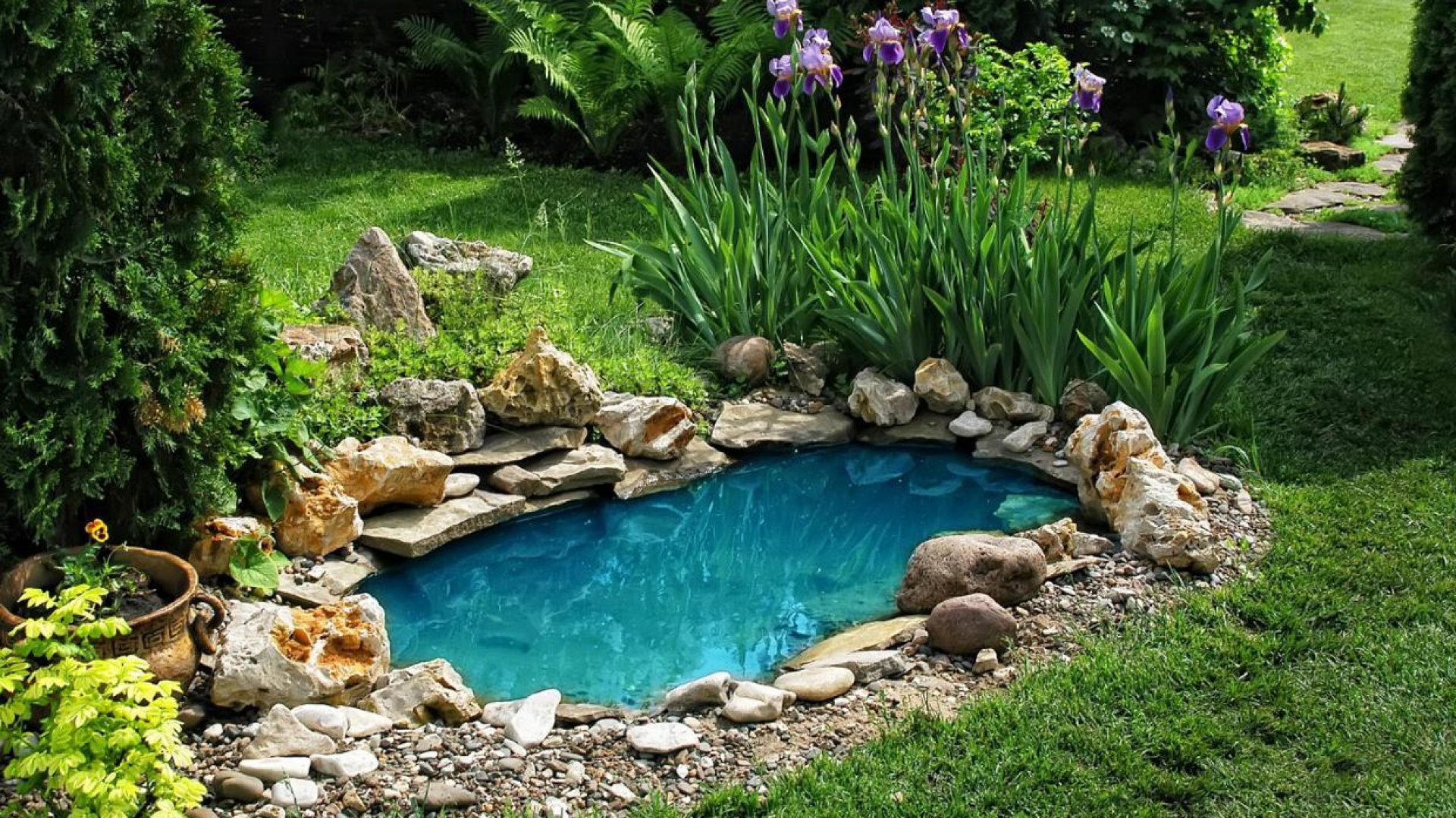
Blue water dyes... just what they say they are, they dye the water blue. The reasoning behind them is to shade the water to slow the growth of algae. Use if you want, but keep in mind that other things can shade a pond, like plants.
Chemicals that control pH... common sense should dictate that these should only be used after you have tested for the proper pH levels and something is wrong. A detailed discussion on pH levels and other chemical in-balances can be found in most fish health books, which we recommend you have at least one of.
Pesticides and other cides... be real, real CAREFUL, use with extreme caution. Things that are designed to kill...will.
Salt... Salt is good.... It cures a lot of fish ailments. BUT, in a hospital tank; NOT in the pond. Many so-called experts say that the right amount of salt will control algae. A couple of questions come to mind... since algae is plant life, what exactly is the right amount of salt that will control algae and not hurt my prized lily? What type of plant life grows in the Great Salt Lake?? We hope you get the point... we do not recomment salt as an in-the-pond additive. As for using salt in the treatment of sick fish, get a good pond fish book or check out Doc Johnson, the Koi Vet.
Recap: Simply put, use additives sparingly. Try to strive for as natural an environment in your pond as possible. Think about this... if Mom is working for you, you can sit back and relax.
Whether you have an established pond or are just thinking
about putting
your first one in, check out our FREE
ADVICE PAGE
and then we invite you to call our Help Line:
![]() |
|
![]() |
![]() |
........ ...........COME BACK SOON. |